

If your dog frequently licks their paws, it can be more than just a quirky habit—it might signal irritation, allergies, or stress. While occasional licking is normal, persistent licking can lead to soreness, infections, or discomfort for your furry friend. Understanding why your dog engages in this behavior is the first step toward helping them feel better.
Fortunately, there are several gentle home remedies that can soothe your dog’s paws and provide relief from itching or inflammation. From natural calming solutions to simple care routines, these methods focus on comfort, safety, and promoting healthier paws without relying solely on medications.
1. Oatmeal Baths and Soaks
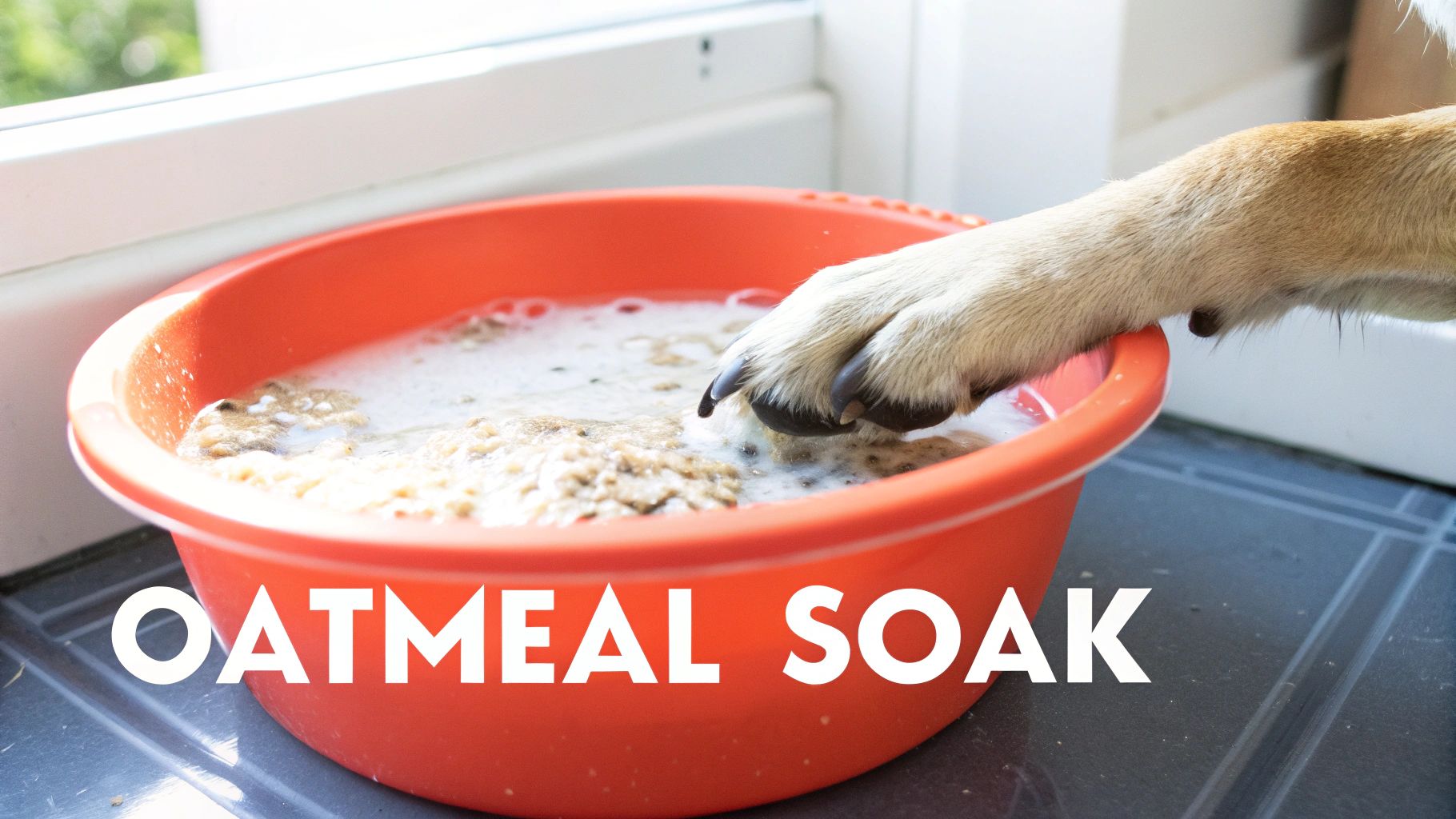
If your dog’s paws are red, itchy, and irritated, an oatmeal bath is one of the most effective and gentle home remedies you can try. We’re not talking about breakfast oats here; the magic is in colloidal oatmeal, which is finely ground to dissolve in water. This process releases natural compounds that have powerful anti-inflammatory properties, directly soothing irritated skin.
When applied, the oatmeal creates a thin, protective film over your dog's paws. This barrier locks in moisture and calms the inflammation that triggers the need to lick. It's a simple, natural way to address the root cause of discomfort.
Quick Fact: Many owners of dogs with seasonal allergies, like my Golden Retriever, notice a huge reduction in paw chewing after just a few weekly soaks during high-pollen months.
How to Prepare an Oatmeal Soak
Creating a soothing paw soak is simple! Just follow these steps:
- Choose the Right Oats: Use unflavored, colloidal oatmeal. You can buy it pre-packaged or make your own by grinding plain, old-fashioned oats into a very fine powder in a blender.
- Prepare the Soak: Add about a half-cup of the fine oatmeal powder to a small tub or basin filled with lukewarm water. Stir until the water becomes milky and feels silky.
- Soak and Soothe: Gently place your dog’s paws into the solution for 5-10 minutes. For widespread irritation, a full-body bath is a great option.
- Dry Gently: After the soak, carefully pat your dog’s paws dry with a soft towel. Don't rub, as this can re-irritate sensitive skin.
Repeat this process two to three times per week. Keeping your dog's environment clean is also crucial, as contaminants can worsen skin issues. Learn more about the unseen dangers that can affect your dog's health from common environmental sources.
2. Apple Cider Vinegar Soaks
When your dog's paw licking is caused by a yeast or bacterial overgrowth, an apple cider vinegar (ACV) soak is another excellent home remedy. Raw, unfiltered ACV contains natural compounds that create an environment hostile to harmful microbes. Its acidity helps restore the skin’s proper pH balance, making it difficult for yeast and bacteria to thrive.
The effectiveness of ACV lies in its antimicrobial and antifungal properties. By addressing the underlying microbial imbalance, it tackles the root of the problem. Owners of breeds prone to yeast issues, such as Cocker Spaniels, often report a significant decrease in paw licking after incorporating regular ACV soaks into their routine.
How to Prepare an Apple Cider Vinegar Soak
Creating a safe ACV paw soak is straightforward, but dilution is key.
- Choose the Right Vinegar: Only use raw, unfiltered apple cider vinegar that contains "the mother." This cloudy substance holds the beneficial enzymes.
- Prepare the Soak: Mix one part ACV with two parts lukewarm water in a small basin. It’s best to start with a more diluted mix to see how your dog's skin reacts.
- Soak and Soothe: Gently place your dog’s paws in the solution for 5-10 minutes. A favorite toy can help keep them distracted!
- Dry Thoroughly: No need to rinse! Simply pat the paws completely dry with a clean towel, paying special attention to the areas between the toes.
For active issues, this can be done daily. Important: Never apply ACV to open wounds or raw skin, as it will sting and cause more irritation.
3. Coconut Oil Application
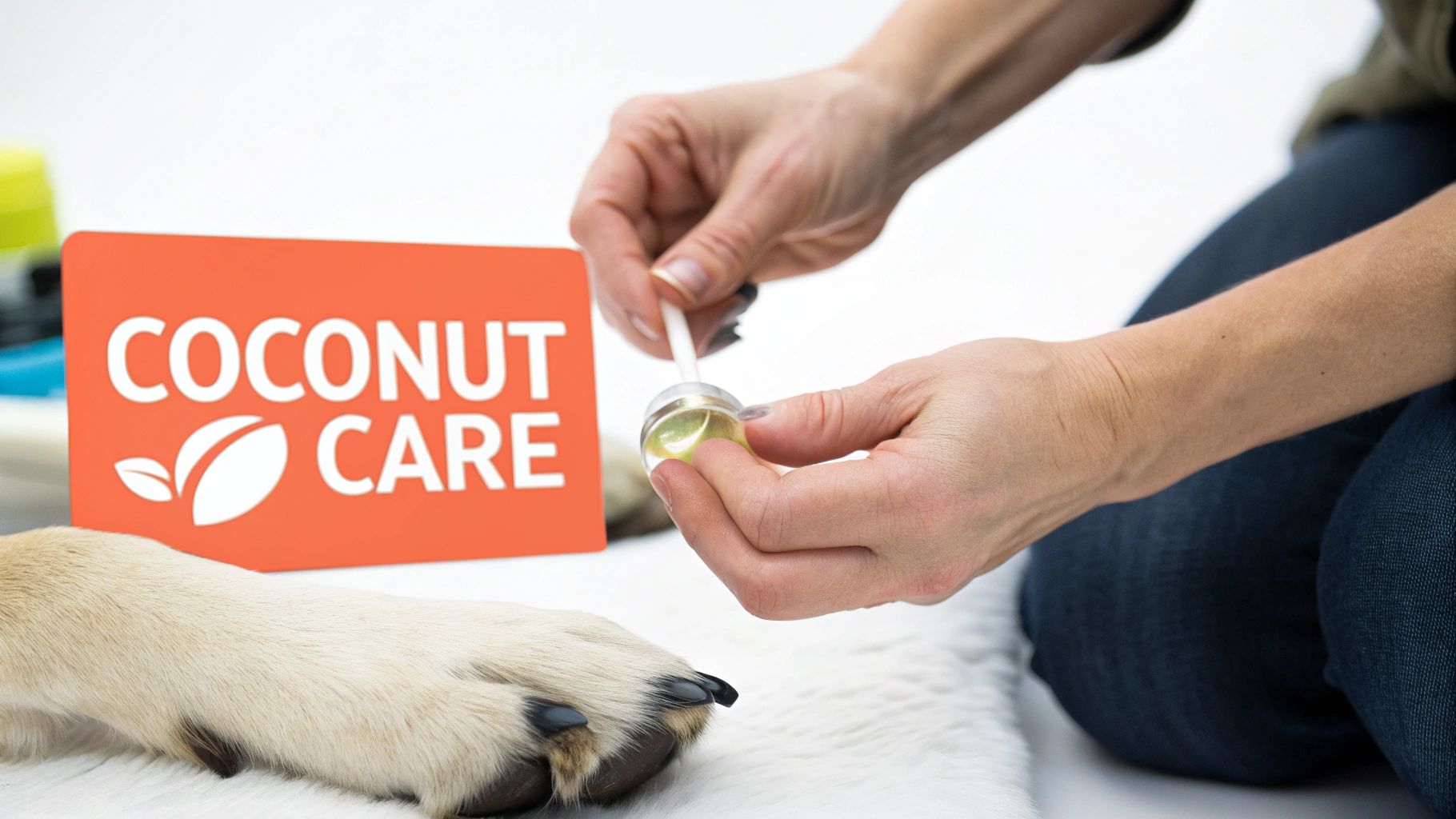
When it comes to versatile and effective home remedies, virgin coconut oil is a standout choice. This natural oil is packed with lauric acid, which has powerful antimicrobial and antifungal properties. Applying it topically helps combat yeast or bacterial overgrowth on your dog’s paws.
Beyond its antimicrobial benefits, coconut oil is an exceptional moisturizer. It soothes dry, cracked paw pads and reduces the inflammation that drives a dog to lick. Many owners report a noticeable reduction in licking within just a few days of consistent application.
How to Apply Coconut Oil
Proper application ensures your dog gets the full benefits without the mess.
- Choose the Right Oil: Use virgin, unrefined, and organic coconut oil. Processed versions lack the good stuff.
- Prepare the Oil: Scoop out a small amount (pea-sized for a small dog) and warm it by rubbing it between your palms to liquefy it.
- Apply and Massage: Gently massage the warmed oil onto your dog’s paw pads and between their toes.
- Prevent Licking: While coconut oil is safe to ingest, you want it to stay on the paws. Distract your dog for 5-10 minutes after application with a puzzle toy or use a cone to prevent them from licking it off immediately.
Apply a thin layer two to three times daily for the best results.
4. Epsom Salt Soaks
An Epsom salt soak is a classic, time-tested remedy for sore, inflamed paws. The key ingredient is magnesium sulfate, a natural mineral renowned for its anti-inflammatory properties. When dissolved in warm water, it helps reduce swelling, ease muscle soreness, and draw out toxins from minor wounds.
This simple solution calms the underlying irritation that drives a dog to lick excessively. It's particularly effective for cleaning small cuts and promoting faster healing. Many owners of dogs with interdigital cysts report significant pain reduction and less licking after just a few soaks.
How to Prepare an Epsom Salt Soak
Creating a therapeutic paw soak is quick and easy.
- Choose the Right Salt: Use only plain, unscented, pharmaceutical-grade Epsom salt. Avoid products with added essential oils, as these can be toxic to dogs.
- Prepare the Solution: Dissolve about a half-cup of Epsom salt into a gallon of lukewarm water.
- Soak the Paws: Gently place your dog’s affected paws into the basin and let them soak for 5-10 minutes.
- Dry Thoroughly: After the soak, rinse your dog’s paws with clean water to remove any salt residue. Pat them completely dry, especially between the toes.
Repeat this soak once or twice daily for acute issues.
5. Dietary Omega-3 Fatty Acid Supplements
While topical treatments offer immediate relief, some of the most effective home remedies for dog licking paws work from the inside out. Omega-3 fatty acid supplements, sourced from fish or krill oil, address the problem at a systemic level. These essential fatty acids are renowned for their powerful anti-inflammatory properties, which can calm the allergic reactions leading to itchy paws.
By strengthening the skin's natural barrier, omega-3s help it retain moisture and defend against environmental allergens. Studies show that dogs with seasonal allergies often experience a significant reduction in itchiness after six to eight weeks of consistent supplementation.
How to Use Omega-3 Supplements
Adding omega-3s to your dog’s diet is straightforward, but quality and dosage are key.
- Choose a High-Quality Source: Opt for a reputable brand of fish oil that lists the amounts of EPA and DHA.
- Follow Dosing Guidelines: A common veterinary recommendation is 20-55 mg of combined EPA and DHA per kilogram of your dog’s body weight daily.
- Ensure Proper Storage: Store omega-3 oils in a cool, dark place to prevent them from going rancid.
- Start Slowly: Introduce the supplement gradually over a week. Always consult your vet before starting any new supplement.
For consistent skin health, combining dietary improvements with high-quality care is a powerful strategy. You can explore a variety of premium pet care solutions to support your dog’s well-being.
6. Dietary Elimination and Food Trial
If your dog’s paw licking is a chronic issue, a food intolerance may be the culprit. A dietary elimination trial is a systematic process to pinpoint specific ingredients that trigger an inflammatory response.
This approach simplifies your dog's diet down to a single new protein and carbohydrate source. By removing common allergens like chicken, beef, and wheat, you give their body a chance to calm down. This method requires patience but offers a long-term solution for food-related allergies by getting to the root of the problem.
How to Conduct a Dietary Elimination Trial
A successful food trial requires strict adherence. Follow these steps carefully:
- Choose a Limited Ingredient Diet: Work with your vet to select a diet with a novel protein (like duck or venison) and a single carbohydrate (like sweet potato).
- Commit to the Trial Period: You must feed this exclusive diet for a minimum of 8-12 weeks.
- Eliminate All Extras: During the trial, avoid all other food sources—that means no treats, table scraps, or flavored medications.
- Monitor and Document: Keep a journal of your dog's paw licking to track progress.
- Reintroduce Foods Carefully: If symptoms improve, you can start reintroducing old ingredients one at a time. If paw licking returns after adding chicken, you've likely found the trigger.
7. Chamomile and Green Tea Compresses
Harnessing the natural power of herbal teas is another excellent home remedy. Brewed chamomile or green tea, applied as a warm compress, delivers potent natural compounds directly to the skin. Both teas are rich in antioxidants with well-documented anti-inflammatory properties that can calm itching and reduce swelling.
When applied to your dog’s paws, the warm liquid provides immediate comfort. Chamomile is known for its calming effects, while green tea helps fight off surface-level bacteria. It's a fantastic, soothing treatment after a long walk on rough surfaces.
How to Prepare a Tea Compress or Soak
This gentle, therapeutic treatment is easy to prepare.
- Brew the Tea: Steep one or two caffeine-free chamomile or green tea bags in a cup of hot water for at least five minutes.
- Cool to a Safe Temperature: Allow the tea to cool until it is lukewarm. Always test the temperature on your wrist first.
- Apply as a Compress or Soak: Soak a clean cloth in the tea and hold it gently against the paw for 10-15 minutes, or pour the tea into a basin for a paw soak.
- Pat Dry: After the treatment, gently pat the paws dry. There is no need to rinse.
Apply this treatment daily during flare-ups for best results.
8. Protective Booties and E-Collar Combination
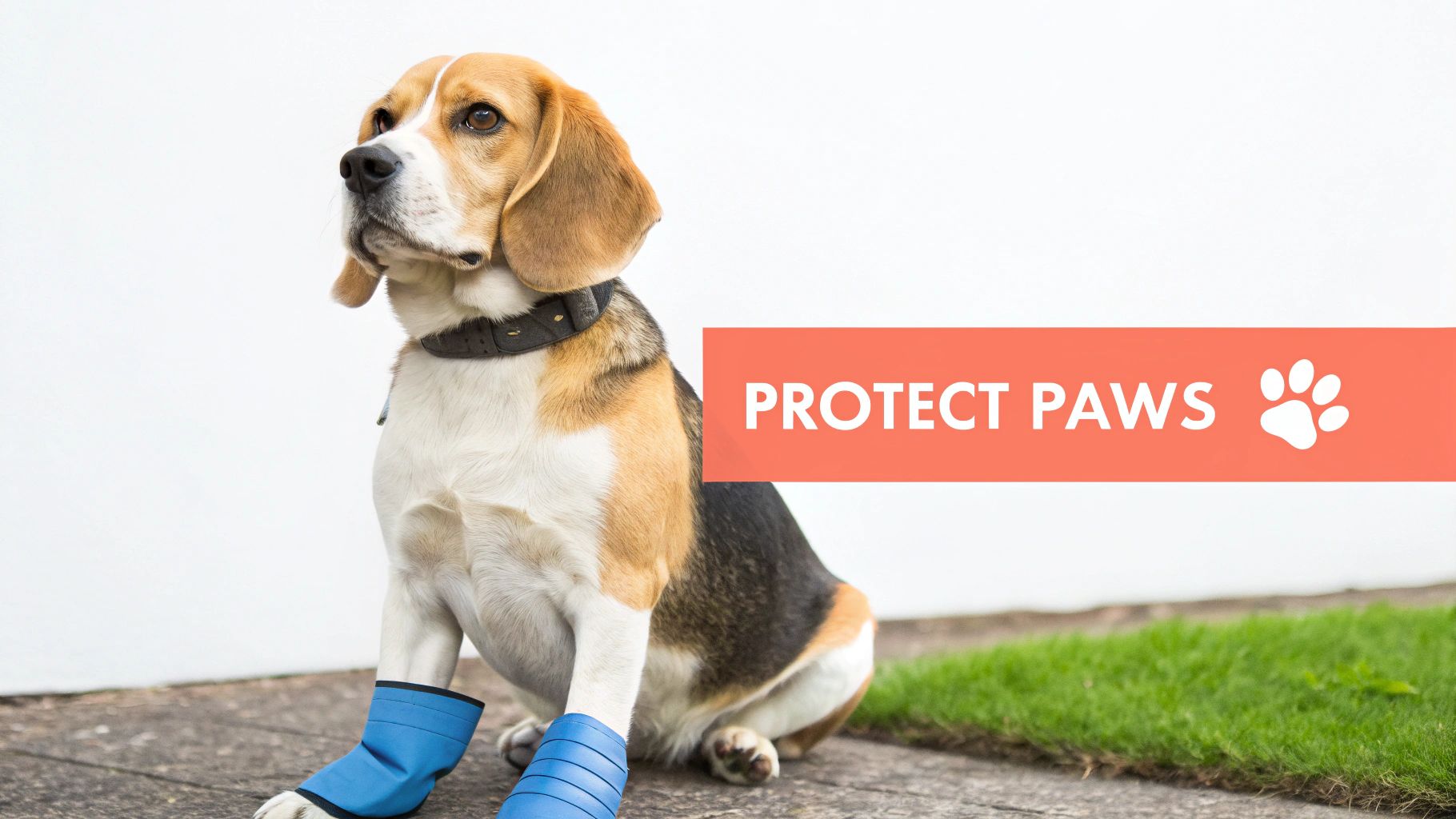
When licking becomes a compulsive habit, you need a physical barrier to break the cycle. Using protective booties with an Elizabethan collar (E-collar) is one of the most effective ways to stop paw licking immediately. This gives other treatments the time they need to work.
This combination interrupts the self-perpetuating loop of licking, which causes more irritation, leading to more licking. It's an essential strategy for managing acute flare-ups and allowing the skin to heal without constant disruption.
How to Use Booties and an E-Collar Effectively
Combining these tools requires careful management to ensure your dog stays comfortable.
- Ensure a Proper Fit: Choose booties that are snug but not tight. The E-collar should extend past your dog’s nose but allow them to eat and drink. Consider soft or inflatable E-collars for more comfort.
- Monitor for Moisture: Remove the booties every few hours to let the paws air out.
- Supervise and Schedule: Use this combination primarily when you cannot directly supervise your dog.
- Apply Topical Treatments: Before putting on the booties, apply any ointments or balms. The booties will protect the area and prevent licking.
Maintaining a clean environment is key to preventing further irritation. Keeping your yard free of contaminants plays a huge role in paw health. One of the simplest ways to maintain a hygienic outdoor space is with an efficient waste management system. This is where PoTomo’s innovative pooper scooper comes in; its clip-on, hands-free design makes cleanup effortless, so you can focus more on your dog's comfort and less on the mess. Explore more on the benefits of keeping your outdoor spaces clean with tips on effective doggie waste disposal.
8-Point Comparison: Home Remedies for Dog Paw Licking
| Remedy | Implementation complexity | Resource requirements | Expected outcomes | Ideal use cases | Key advantages |
|---|---|---|---|---|---|
| Oatmeal Baths and Soaks | Low–moderate (mix colloidal oatmeal; soak 5–15 min) | Colloidal oatmeal, basin/tub, towels; inexpensive | Immediate itch relief; reduced inflammation; temporary symptom control | Mild dermatitis, dry skin, seasonal itch | Gentle, safe, immediate soothing for sensitive skin |
| Apple Cider Vinegar Soaks | Low (dilute 1:1–1:2; soak 5–10 min) | Raw unfiltered ACV, water, basin; inexpensive | Antimicrobial/antifungal effects over 2–4 weeks; pH balancing | Yeast or mild bacterial issues of paws | Targets yeast/bacteria; quick and simple prep |
| Coconut Oil Application | Low (topical application 1–3× daily) | Virgin coconut oil, cloth or booties; low cost | Moisturizes and reduces inflammation over 1–2 weeks; protective barrier | Dry pads, mild inflammation, tolerant dogs | Safe if ingested, moisturizing, antimicrobial properties |
| Epsom Salt Soaks | Low–moderate (dissolve salt; soak 5–10 min) | Pharmaceutical Epsom salt, warm water, basin; inexpensive | Rapid reduction in swelling; supports wound healing (24–48h) | Acute inflammation, minor wounds, post-injury care | Clinically supported anti-inflammatory and wound aid |
| Dietary Omega-3 Supplements | Moderate (daily dosing; 4–8 weeks to see effect) | High-quality fish/krill/flax supplements, vet guidance recommended | Systemic inflammation reduction; improved skin barrier long-term | Allergic dermatitis and chronic inflammatory conditions | Long-term systemic benefits; also supports joints and cognition |
| Dietary Elimination and Food Trial | High (8–12 week trial + reintroduction) | Limited-ingredient diets, strict compliance, possible vet/nutritionist | Identification of food triggers; large and potentially permanent symptom reduction | Suspected food-allergy–driven paw licking | Addresses root cause; personalized and often durable solution |
| Chamomile and Green Tea Compresses | Low (brew tea; apply warm compress) | Chamomile/green tea, water, cloth; minimal cost | Immediate soothing and short-term anti-inflammatory effect | Acute irritation, post-exercise tenderness | Natural, safe, quick calming relief |
| Protective Booties and E-Collar Combination | Low–moderate (proper fit and monitoring) | Booties, E-collar (cone or soft alternative); supervision required | Immediate prevention of licking; protects wounds while other treatments act | Post-surgical care, acute flares, behavior interruption | Breaks lick cycle immediately; prevents secondary infection |
Taking the Next Step Towards Healthy Paws
Navigating your dog’s health can feel complex, but addressing paw licking doesn't have to be. This guide has equipped you with eight effective home remedies for dog licking paws. From the immediate relief of an oatmeal bath to the long-term benefits of Omega-3s, you now have a variety of natural strategies at your fingertips.
Remember, the key is methodical application and careful observation. Your role is to be a patient detective, figuring out what works best for your unique companion.
A Holistic Approach to Paw Health
A truly effective strategy is often a combined one. Think of it as a multi-layered defense system:
- Immediate Relief: Use topical treatments like chamomile compresses or ACV soaks to calm irritated skin.
- Long-Term Health: Incorporate internal support through dietary changes or supplements like fish oil.
- Preventative Care: Use protective booties on rough terrain or an E-collar to break the lick-itch cycle while paws heal.
This comprehensive approach addresses both the symptom and the underlying cause, leading to more sustainable results.
Creating a Routine for Lasting Wellness
Consistency is your most powerful ally. A daily paw check and wipe-down after walks can remove potential allergens before they cause trouble. Establishing these small, consistent habits builds a foundation of health and minimizes recurring issues.
Streamlining other aspects of your daily pet care can free up energy to focus on wellness. For instance, simplifying cleanup on walks with efficient tools means more time for your dog’s comfort. Keeping walks stress-free and hygienic contributes to their overall well-being, reinforcing the healthy lifestyle you're building together.
Frequently Asked Questions (FAQ)
-
Q1: How long does it take for home remedies for dog licking paws to work?
- A1: It varies! Topical remedies like oatmeal soaks can provide immediate, temporary relief within minutes. Systemic solutions like dietary changes or Omega-3 supplements often take 4 to 12 weeks to show significant, lasting improvement as they work from the inside out.
-
Q2: Can I use more than one home remedy at the same time?
- A2: Yes, combining remedies is often the most effective strategy. For example, you can use an apple cider vinegar soak for yeast, apply coconut oil to moisturize, and add fish oil to their diet to reduce inflammation. Just introduce new treatments one at a time to monitor for any reactions.
-
Q3: When should I stop using home remedies and see a veterinarian?
- A3: See a vet immediately if the licking is accompanied by severe redness, swelling, bleeding, a foul odor, limping, or intense pain. If you've tried home remedies for 2-3 weeks with no improvement, it's time for a professional diagnosis to rule out more serious conditions.
-
Q4: Are these home remedies safe for puppies?
- A4: Most topical remedies like oatmeal or chamomile soaks are generally safe for puppies. However, their skin is more sensitive. Always do a patch test first and consult your veterinarian before starting any new treatment, especially dietary supplements, for a young dog.
A healthy routine starts with the right tools for every part of your walk. To keep your daily outings clean, simple, and entirely hands-free, explore the innovative clip-on pooper scooper from PoTomo. Discover a more hygienic way to manage pet waste and keep your focus on your dog's wellness at PoTomo.