

Yes, you can absolutely compost dog poop but it’s not as simple as tossing it in with your banana peels and coffee grounds. Handling pet waste requires a completely separate, dedicated system that gets hot enough to kill off any nasty pathogens. It's a bit of a project, but it’s a fantastic way to turn a smelly problem into "black gold" for your flower beds.
Why Bother Composting Dog Poop?
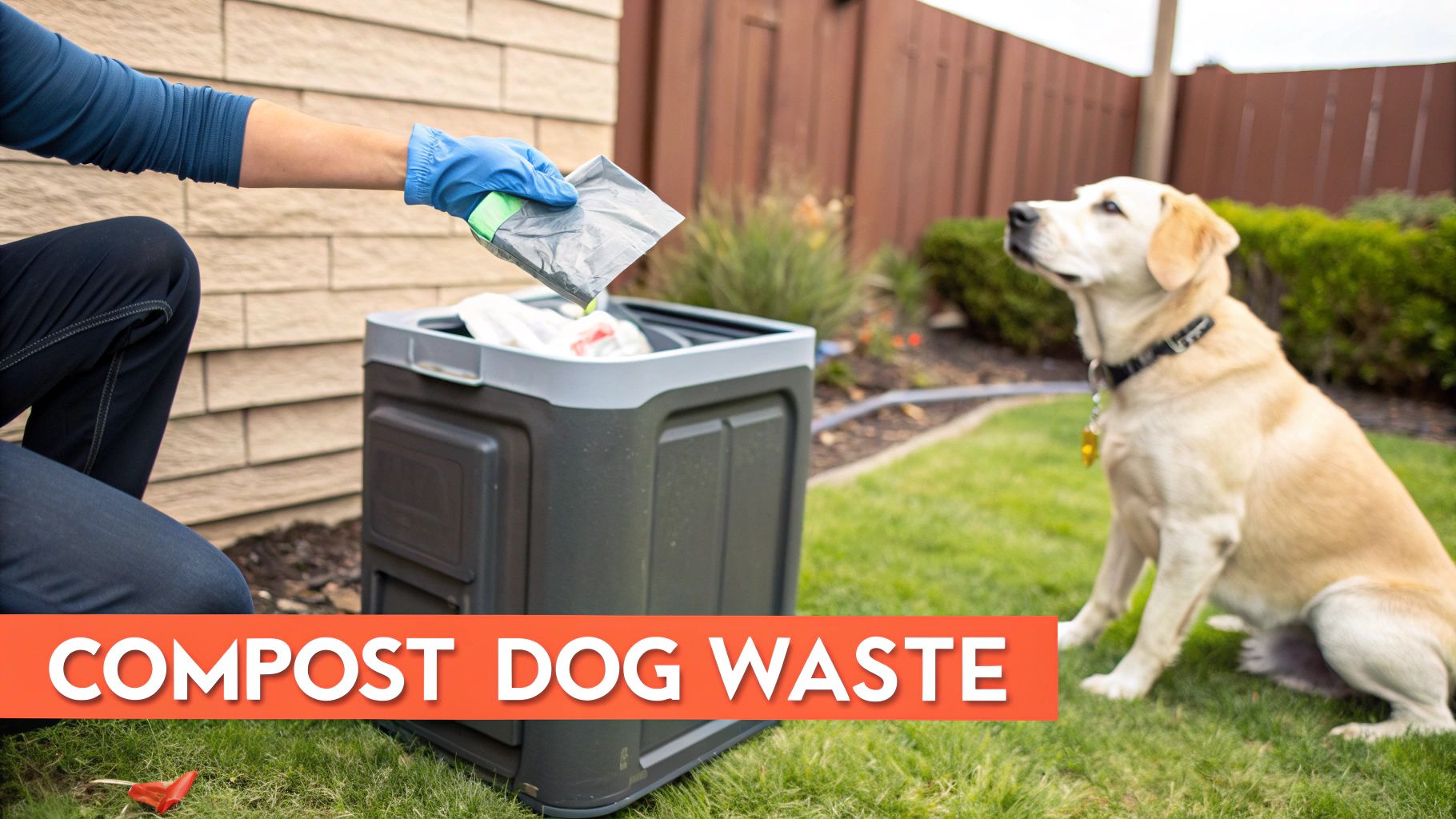
It’s hard to wrap your head around just how much dog waste we’re dealing with. Every year, millions of tons of it end up in landfills, sealed inside plastic bags that can stick around for centuries. That’s a massive environmental footprint, and composting offers a powerful, eco-friendly way out.
Let’s look at the numbers. In the United States alone, 89.7 million dogs generate an estimated 11.1 million tons of poop every single year. A staggering 54% of that waste from our homes is sent straight to the landfill, contributing to soil pollution, water contamination, and our ever-growing trash problem. You can discover more insights about the environmental effects of dog poop to see just how big the issue is.
By choosing to compost, you’re not just cleaning your yard—you’re actively diverting waste from the landfill and turning it into something genuinely useful.
The Real Payoff: Key Benefits of Composting Dog Waste
So, what makes this process truly worthwhile? Beyond just keeping waste out of the trash, composting dog poop brings some serious practical advantages to you and your yard.
- Slash Your Landfill Contribution: One scoop at a time, you'll significantly shrink your household's trash output. Imagine the difference just one dog can make over a year!
- Create a Nutrient-Rich Resource: The finished compost is a brilliant soil conditioner for non-edible plants like flower beds, shrubs, and trees.
- Save Some Cash: You can cut back on—or even eliminate—the need to buy commercial fertilizers for your ornamental gardens.
The goal is simple: transform pet waste from a neighborhood nuisance into a benefit for your backyard. It requires a bit of know-how and the right setup, but the environmental payoff is huge.
Of course, the whole process starts with clean and easy collection. Using a tool like Potomo’s pooper scooper makes transferring waste directly to your dedicated compost bin a hygienic, hands-free task. This simple step keeps things cleaner from the very beginning, making you much more likely to stick with it for the long haul.
Understanding the Hidden Risks in Pet Waste
So, you're wondering if you can safely compost dog poop. Before we get to the how, we need to understand the what. We're not just dealing with an unpleasant smell; dog waste is a tiny, hidden world of microscopic critters that can be seriously harmful to people and the environment.
But that doesn't mean composting is off the table. Not at all. It just means we need to be smart about it.
Think of it like handling raw chicken in your kitchen. You don't swear off cooking chicken forever, right? You just follow some basic safety rules: wash your hands, clean your counters, and cook the meat to a high enough temperature. Composting dog poop works on the very same principle. The entire goal is to create an environment so hot that it wipes out any potential threats.
What’s Really Lurking in There?
Dog poop can be a delivery system for a whole host of unwelcome guests you definitely don't want setting up shop in your vegetable garden. Even if your dog seems perfectly healthy, their waste can still carry pathogens.
Here are some of the most common culprits:
- Bacteria: Nasty bugs like E. coli, Salmonella, and Campylobacter are known to cause some pretty serious stomach issues in humans.
- Parasites: The eggs of roundworms, hookworms, and whipworms are incredibly resilient. They can survive in soil for years, waiting to be accidentally ingested by another pet or a person.
- Viruses: Though it's less common, viruses like the notorious parvovirus can also be present in dog waste.
The key takeaway here isn't to panic—it's to be prepared. These risks are manageable, but you can't just ignore them. A successful pet waste composter is specifically designed to get hot enough to kill these pathogens, making the final product safe to handle and use.
This is exactly why you can't just toss dog poop into your regular garden compost bin. Your standard pile of grass clippings and banana peels rarely reaches the sustained high temperatures needed to destroy these particular microorganisms. To get the full picture, you can learn more about the unseen dangers in dog poop from health experts.
The Power of High Temperatures
The secret weapon in making dog waste compost safe is heat. Plain and simple.
The method we need is called hot composting, which involves building and maintaining a compost pile that reaches and holds temperatures between 135°F and 160°F (57°C to 71°C). When things get that hot, the pathogens we're worried about just can't take it. They're neutralized.
This isn't just a hopeful theory; it's proven science. The intense heat generated by all the microbial activity effectively pasteurizes the waste, destroying harmful bacteria and parasite eggs. By managing your compost correctly, you're essentially creating a small-scale, natural sanitation system in your own backyard. Getting a handle on this one principle is the most critical step toward turning your dog's waste into safe, usable compost.
Alright, let's get into the nitty-gritty of how you're actually going to do this. Choosing a composting system isn't a one-size-fits-all deal. The perfect setup for a big suburban backyard probably won't fly in a smaller city garden.
It really comes down to your space, your budget, and how much time you want to spend on the project. We'll walk through the three most popular and effective options for homeowners: a dedicated hot composting pile, a slick in-ground digester, or just outsourcing the whole thing to a commercial service.
Each route has its own pros and cons, so let’s break them down.
Option 1: The Dedicated Hot Composting Pile
This is the classic, old-school DIY method, and for good reason—it’s the most scientifically reliable. A hot composting pile is basically a designated heap or bin where you layer your dog’s waste (the nitrogen-rich "greens") with carbon-heavy materials like sawdust, shredded cardboard, or dry leaves (the "browns").
The key here is building a pile that’s big enough—at least three feet by three feet—to get hot enough to kill off all the nasty pathogens. This method gives you maximum control, but it also demands the most work. You'll need to keep an eye on the temperature and turn the pile regularly to keep things aerated and cooking right. It's a great weekend project for anyone with a bit of yard space.
Option 2: The In-Ground Digester
If that sounds like too much work, an in-ground digester is more of a "set it and forget it" solution. Think of it as a mini septic system just for your dog. You bury a container with drainage holes in your yard, drop the poop in, and sprinkle in some special enzymes to get the breakdown process started.
- Low Maintenance: Once you’ve installed it, there’s not much to do.
- Space-Saving: Since it’s mostly underground, it’s a discreet option that won't clutter up your yard.
- Slower Process: This system relies on anaerobic digestion (without oxygen), which is much slower than hot composting and might not reliably kill all the pathogens.
This isn’t about creating usable compost for your garden. Instead, the waste breaks down and leaches into the soil below. For that very reason, you have to be smart about where you put it—keep it far away from vegetable gardens, play areas, and any water sources. If you want a simple way to just make the waste disappear, you can learn more about various dog waste disposal systems to see how they stack up.
Option 3: The Commercial Composting Service
Feeling like a DIY project is a little too much to take on? You can always let the pros handle it. A growing number of commercial services now specialize in collecting and composting pet waste. They use massive, industrial-grade facilities that guarantee the high, sustained temperatures needed to completely neutralize every single pathogen. Total peace of mind.
It’s simple: you collect your dog’s waste in the bins they provide, and they swing by to pick it up on a regular schedule. This is by far the most convenient and foolproof option, but it does come with a recurring cost.
Choosing the right system is really about balancing convenience with your personal environmental goals. Whether you’re turning your own pile or hiring a service, you’re still making a positive choice.
To help you decide, let's look at how these three methods compare side-by-side.
Comparison of Dog Waste Composting Methods
This table breaks down the effectiveness, cost, and effort for each method to help you find the best fit for your home and lifestyle.
| Method | Effectiveness in Killing Pathogens | Initial Cost | Ongoing Effort | Best For |
|---|---|---|---|---|
| Hot Composting Pile | Very High (when managed correctly) | Low to Moderate | High (requires turning & monitoring) | Homeowners with space who enjoy DIY projects. |
| In-Ground Digester | Low to Moderate | Low | Very Low (add waste and enzymes) | Those seeking a low-maintenance, discreet option. |
| Commercial Service | Guaranteed High | Low (setup fees) | None (just collect waste) | Busy pet owners who prioritize convenience and safety. |
Ultimately, whether you want to get your hands dirty with a hot compost pile, hide the evidence with a digester, or pay for ultimate convenience, there's a responsible solution out there that works for you.
Your Step-by-Step Hot Composting Blueprint
Ready to turn your dog’s waste into a garden-friendly resource? Hot composting is the gold standard for safely breaking down pet waste and killing off the nasty pathogens hiding inside. Think of it like making a lasagna—it’s all about getting the layers and the temperature just right.
Let's walk through the whole process, from setting up your bin to harvesting the finished compost.
This infographic gives you a quick look at the main ways to handle dog waste, from your own DIY pile to calling in a commercial service.
As you can see, each method has a different level of hands-on work. A DIY pile gives you the most control over the final product, but it also demands the most attention.
Setting Up Your Compost System
First thing's first: you need a dedicated bin or pile just for pet waste. You absolutely cannot mix this with your regular garden compost pile where you throw kitchen scraps.
Pick a spot in your yard that gets plenty of sun and has good drainage. Make sure it's a good distance from any vegetable gardens, play areas, or wells.
To get the heat needed to kill pathogens, your pile has to be at least 3x3x3 feet. You can easily build an enclosure with some old wood pallets or wire mesh, or you can buy a pre-made compost tumbler if you prefer.
Getting the Carbon-to-Nitrogen Ratio Right
Okay, this is where the magic happens. A successful compost pile needs a healthy balance of "browns" (carbon-rich materials) and "greens" (nitrogen-rich materials).
- Greens (Nitrogen): This is your dog poop. It's packed with nitrogen.
- Browns (Carbon): Sawdust is the absolute best choice for this. It’s super absorbent and does a great job of keeping odors down. You can also use wood shavings, shredded cardboard (not the glossy kind!), or dry leaves.
A good rule of thumb is to add two parts browns for every one part greens (dog waste). This 2:1 ratio gives the microbes enough fuel to heat up the pile without it turning into a smelly, slimy mess.
Building and Maintaining Your Pile
Now it's time to start layering, just like that lasagna. Start with a thick layer of browns at the bottom to allow for good airflow, then add a layer of dog waste. Keep alternating layers, and give each one a light watering as you go.
To make collecting the "greens" clean and easy, a tool like Potomo’s pooper scooper is a game-changer. It lets you move the waste directly to the bin without any messy contact, which keeps the whole process more hygienic right from the start. For tips on making your daily walks cleaner, check out our guide on the best way to pick up dog poop.
Once your pile is built, the real work begins:
- Monitor the Temperature: Get a long-stem compost thermometer and check the core temperature regularly. You need it to hit the sweet spot between 135°F and 160°F. This is the heat that kills all the bad stuff.
- Turn the Pile: Every week or two, grab a pitchfork and turn the pile. The goal is to move the cooler material from the outside into the hot center. This gives the microbes a fresh boost of oxygen and ensures everything composts evenly.
- Cure the Compost: After a while, you'll notice the pile doesn't heat up anymore after you turn it. Now it's time to let it "cure." Just let it sit for at least two months. This final step lets the compost stabilize and mature into that rich, earthy soil amendment you're after.
While the science is solid, success really depends on keeping those conditions perfect. Research shows that a 90-day composting process can reduce the mass of the waste by 33% to 46%. However, there's a reason many cities tell residents to just trash dog waste. Backyard bins often fail to stay hot enough for long enough, unlike professionally managed commercial facilities. You can read the full research about these findings to understand the challenges.
You'll know your compost is ready when it's dark, crumbly, and smells like rich, healthy soil.
The Golden Rules for Using Your Finished Compost
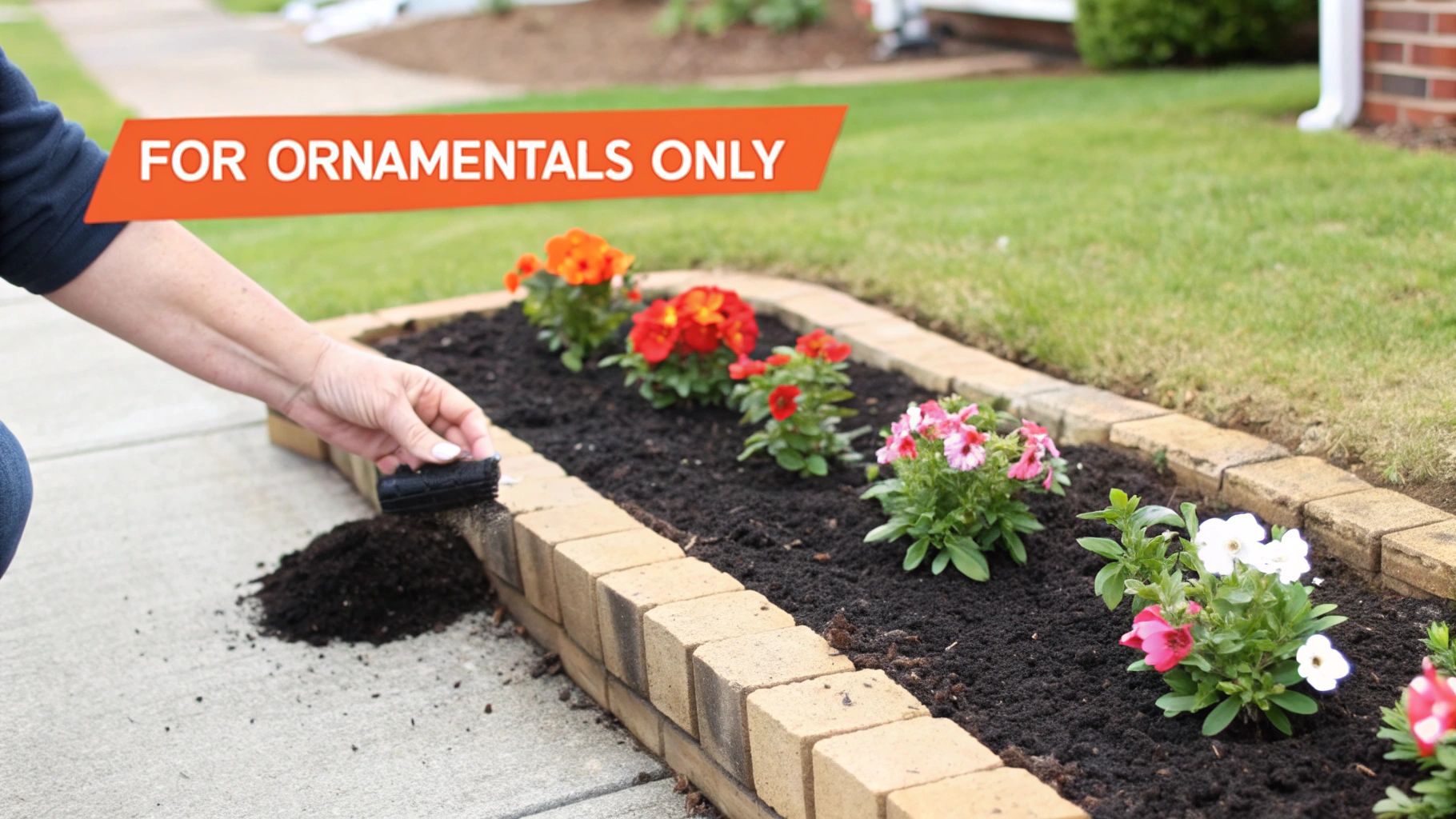
You’ve done the hard work, managed your pile, and now you’re looking at a batch of rich, dark, earthy compost. Congratulations! But using it correctly is every bit as important as making it correctly. Follow a few simple rules, and you’ll get all of the benefits with none of the risks.
The most critical rule is an absolute deal-breaker: never use dog waste compost on any plants you intend to eat. This means keeping it far away from your vegetable garden, fruit trees, and herb patches. Even though a properly managed hot compost pile is fantastic at neutralizing pathogens, this simple precaution is your ultimate safety net. It erases any doubt and gives you total peace of mind.
So, where can you use this valuable "black gold"? Think of it as a powerful, free fertilizer for all the purely decorative plants in your yard.
Safe and Smart Uses for Your Compost
Your finished compost is a brilliant soil amendment. It improves structure, boosts aeration, and packs a nutritional punch. Here are the best places to put it to work:
- Ornamental Flower Beds: Give your flowers a nutrient boost for more vibrant blooms and stronger roots.
- Shrubs and Bushes: Work the compost into the soil around the base of your shrubs to enrich the surrounding earth.
- Mature Trees: Spread a layer of compost around the drip line of mature trees to slowly feed their massive root networks.
- Lawn Top Dressing: Lightly rake a thin layer over your lawn in the spring or fall to improve soil health and give your grass a lift.
How to Know When It’s Ready
Before you start spreading it around, you have to be absolutely sure the compost is fully mature. Using it too soon can actually do more harm than good to your plants.
Your compost is ready when it no longer resembles what you put in. It should be dark brown or black, have a crumbly, soil-like texture, and smell earthy and pleasant—like a forest floor after a good rain. If it still smells sour or you can pick out bits of waste, it needs more time to cure.
This transformation is the ultimate sign that you’ve successfully answered the question, "can dog poop be composted?" with a resounding yes. Patience is everything; letting it mature completely is the final step in creating a safe, powerhouse soil conditioner for your non-edible landscape.
Effortless Composting with Commercial Services
Let's be honest, building and managing a DIY compost pile isn't for everyone. If turning, testing, and waiting sounds like too much of a chore, you’re not alone. Thankfully, there’s a much easier way.
A growing industry of professional pet waste composting services offers a completely hands-off solution. Think of them as the experts who have perfected the science of safely turning dog poop into usable compost on a massive scale.
How Commercial Services Simplify Composting
These companies operate industrial-grade facilities designed to do one thing perfectly: kill pathogens. They use highly controlled systems to guarantee sustained temperatures, often pushing well above the 135°F minimum needed for sanitation. This intense process ensures every single harmful organism is neutralized, giving you total peace of mind without lifting a finger.
The process for you, the pet owner, couldn't be simpler. When you sign up, the service typically provides a special collection bin and certified compostable bags. You just scoop the poop, toss it in the bin, and they handle the rest with scheduled pickups right from your curb.
- Total Convenience: Forget turning piles, monitoring temperatures, or figuring out what to do with the finished compost.
- Guaranteed Safety: Industrial composting is the gold standard for pathogen destruction. It's the most effective method out there.
- Truly Eco-Friendly: This diverts tons of pet waste from landfills and turns it into a safe, valuable soil amendment.
This service model is booming as more cities and dog owners look for sustainable ways to deal with waste. And making the switch is even easier when your collection process is clean from the start. Using a tool like Potomo’s pooper scooper keeps things hygienic from the yard to the bin, so you never have to deal with mess or direct contact.
This industry's growth is backed by solid science. Lab studies confirm that certified biodegradable dog poop bags can fully break down in commercial facilities in as little as 90 days. The market for these bags alone, valued at around $500 million in 2025, is expected to grow by 8% each year, thanks to new regulations and more people demanding better options. You can discover more insights about this growing market to see just how big this shift is.
For many dog owners, these services are the perfect blend of environmental responsibility and modern convenience.
FAQ: Your Dog Poop Composting Questions Answered
Let's tackle some of the most common questions that pop up when people start thinking about composting dog waste. Getting these details right from the start will give you the confidence to do it safely and effectively.
Can I just toss dog poop into my regular garden compost?
This is a big one, and the answer is a hard no. You should never mix dog or cat waste into a compost pile that you plan to use on anything you might eat, like your vegetable garden or fruit trees. Your regular compost likely doesn't get hot enough to kill the specific pathogens in pet waste. The golden rule is to always keep a separate, dedicated composting system just for pet waste.
What about cat poop? Can I compost that too?
While we're on the subject, it's best to leave cat waste out of your backyard composting plans entirely. Composting cat poop at home is not recommended. Cat feces can carry a particularly nasty parasite called Toxoplasma gondii, which is famously tough and can cause serious health problems in people. Your typical home compost setup just doesn't get reliably hot enough for long enough to kill it. The safest bet is still bagging it and putting it in the trash.
How long does it take to compost dog poop?
Patience is key! The timeline depends on your method. A well-managed hot compost pile can produce usable compost in as little as four to six months. A "set it and forget it" system like an in-ground digester works much more slowly and might take a year or more to fully break everything down. You'll know it's ready when it's dark, crumbly, and smells like healthy soil.
Will a dog poop compost pile smell bad?
If managed correctly, it shouldn't! A foul-smelling compost pile is usually a sign that something is wrong with the carbon-to-nitrogen ratio. It's likely too "wet" (too much nitrogen/poop) and not getting enough oxygen. The fix is to add more "browns" like sawdust or shredded cardboard and turn the pile to aerate it. Sawdust is particularly great for odor control.
Turning composting into a daily habit is all about making the collection process clean and effortless. The PoTomo Clip-On Pooper Scooper gives you a 100% hands-free way to pick up waste, so you can transfer it straight to your dedicated compost bin without ever touching the mess. Find the perfect scooper for your walks at potomo.net.